

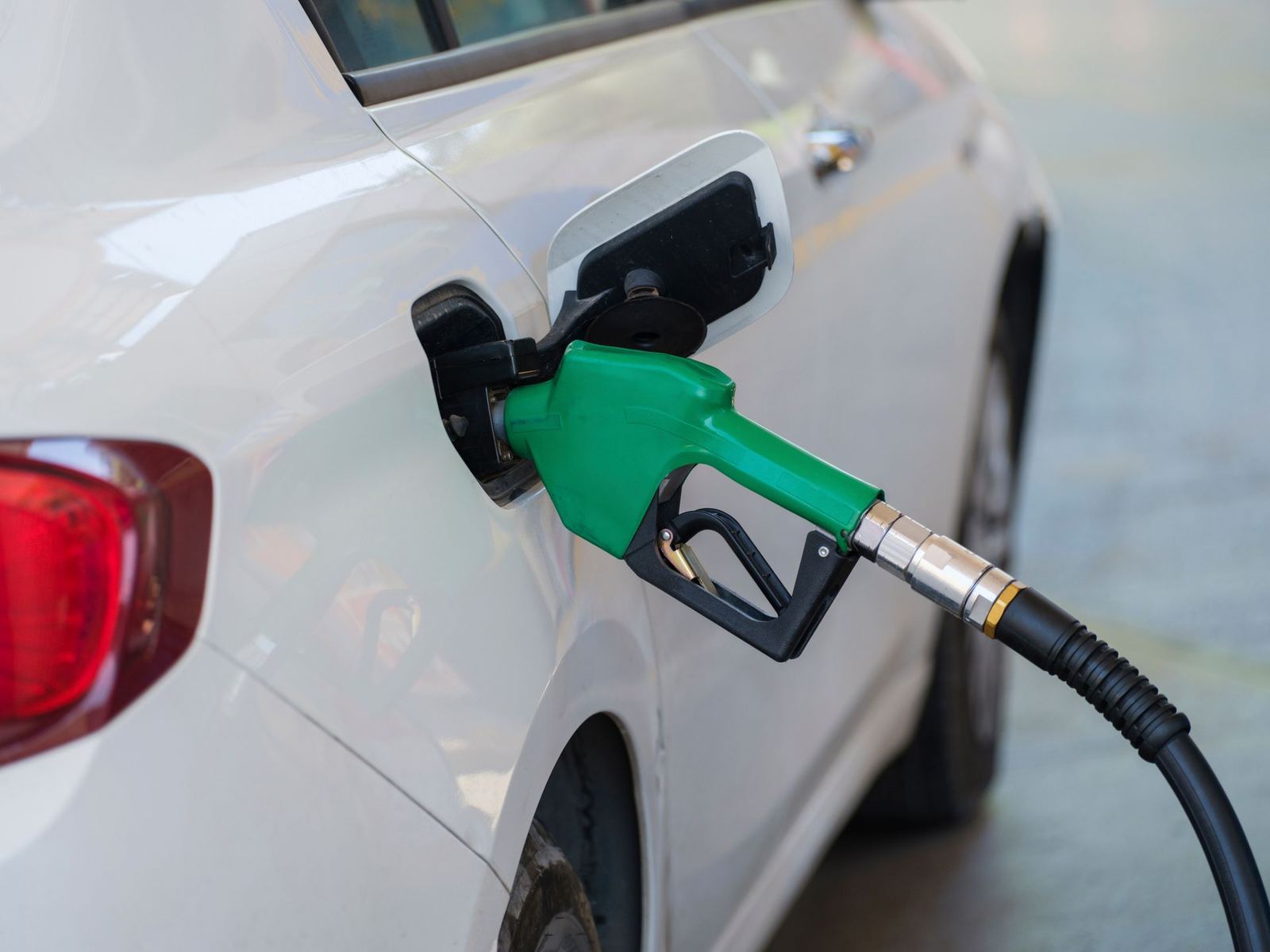
Fuel cost and payback of three engine types, assuming 20,000 km a year.
As fuel prices rise, "which engine is more economical?" gains importance. The answer depends not only on litres per 100 km but also on your annual mileage, the purchase price and maintenance cost. Here is a simple comparison using the Lumo saloon family.
Assumptions
20,000 km a year, petrol 60 TRY/L, diesel 58 TRY/L. Combined consumption: 1.5 petrol 6.2 L/100 km, 1.6 hybrid 4.4 L/100 km. (For diesel the Orvik 1.6 diesel at 5.3 L/100 km is used as an example.)
- Petrol: 1,240 L × 60 TRY ≈ 74,400 TRY / year
- Diesel: 1,060 L × 58 TRY ≈ 61,500 TRY / year
- Hybrid: 880 L × 60 TRY ≈ 52,800 TRY / year
The hybrid saves about 21,600 TRY a year against petrol and about 8,700 TRY against diesel.
Does the price difference pay back?
The Lumo hybrid costs about 250,000 TRY more than a petrol car with the same equipment. With a yearly saving of 21,600 TRY, the payback on fuel alone reaches 11 years; but once the resale-value difference, tax and parking advantages of low emissions and maintenance items (less brake wear) are counted, it falls to 6-7 years. For someone driving 35,000 km a year, four to five years is enough.
Which for whom?
- Mostly city driving, 15,000-25,000 km a year: hybrid; energy recovery in stop-and-go traffic helps most here.
- Long distance and high mileage (40,000+ a year): diesel; low consumption and high torque on the motorway.
- Low mileage, tight budget (under 10,000 km a year): petrol; the low purchase price minimises total cost.
Points to watch
On diesels the particulate filter (DPF) can clog on very short trips; on hybrids the battery warranty (8 years / 160,000 km with us) matters. Consumption figures are measured under laboratory (WLTP) conditions and can differ by 10-20% in real life.
Tips for real-life consumption
In a hybrid, smooth acceleration and anticipatory driving make the biggest difference; in a diesel, steady speed on the motorway, and in a petrol car, shifting up at low revs reduces consumption. Keeping tyre pressure right and not carrying unnecessary load cuts consumption by 3-5% on any fuel type. Trying your own route on a test drive gives more meaningful data than catalogue figures.
Summary for the decision
- Under 15,000 km a year, petrol often gives the lowest total cost
- At 20,000 km and above, mostly urban, a hybrid stands out
- Above 35,000 km a year with mostly motorway use, diesel makes sense
- In every case measure your own consumption on a test drive
To get a recommendation for your own usage profile, visit one of our showrooms or book a test drive. Trying a hybrid for a few days is often the best decision tool.
Related Posts

Vehicle Loan Guide 2026: How to Choose Down Payment, Term and Interest
The real cost of 24, 36 and 48-month terms, using a 1.8 million TRY car.
Read More